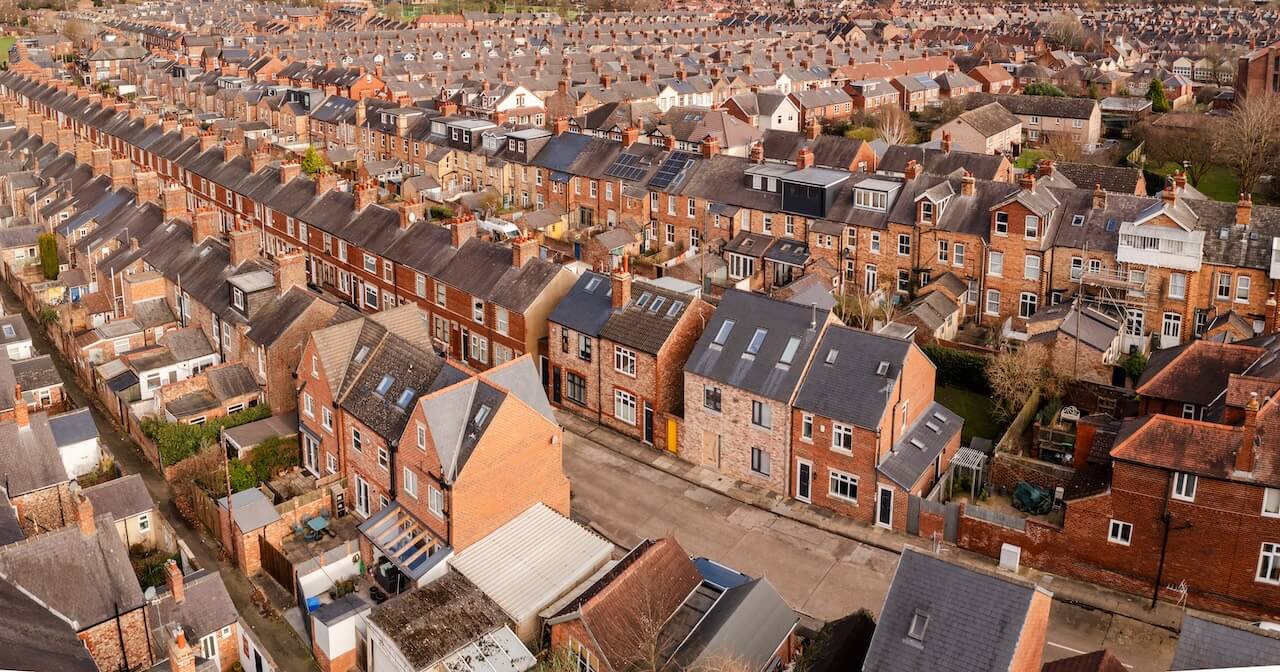
Parts of Leeds are still relatively affordable – particularly to the east and south of the city. We do understand that the biggest obstacle facing first time buyers is the need for a substantial deposit, but there are ways to get on the property ladder, and climb it.
Read on.
If you are a first-time property buyer in the UK, here are some frequently asked questions (FAQs) and key information:
- What is the Help to Buy scheme, and am I eligible?The Help to Buy scheme assists first-time buyers by offering equity loans. Eligibility criteria and the specific terms of the scheme may vary, so check with the relevant authorities, a developer or a financial advisor.
- How does the mortgage process work in the UK?You’ll need to save for a deposit (usually 5-20%), get a mortgage agreement in principle, find a property, make an offer, and then complete the mortgage application process.
- What are the additional costs associated with buying a home in the UK?Additional costs include solicitor fees, survey costs, stamp duty (if applicable), and other miscellaneous expenses. Make sure to budget for these to avoid surprises. Remember too that estate agent fees are paid by the property seller.
- What is Stamp Duty, and do I have to pay it?Stamp Duty Land Tax (SDLT) is a tax on property transactions. The amount depends on the property’s value, and there may be exemptions or reductions for first-time buyers. SDLT only applies to properties over £250,000, an unlikely figure for a first time buyer.
- What types of mortgages are available, and which one is right for me?Common mortgage types in the UK include fixed-rate, variable-rate, and tracker mortgages. These are now stabilising, and are currently around 5%. Remember too that younger first time buyers will get longer mortgage terms (up to 40 years). Consult with a mortgage advisor to determine the best option based on your financial situation and preferences.
- How can I improve my credit score to qualify for a mortgage?Pay bills on time, register on the electoral roll, and manage existing debts responsibly. Regularly check your credit report for errors and take steps to correct them.
- Can I use government schemes to help me buy a home?Apart from Help to Buy, explore other government schemes like Shared Ownership or the Lifetime ISA, which offers a bonus on savings for a first home.
- What is a Conveyancer, and why do I need one?A conveyancer handles the legal aspects of buying a property. They ensure the smooth transfer of ownership, conduct searches, and deal with the Land Registry.
- What is a Homebuyer’s Report, and do I need one?A Homebuyer’s Report is a survey that provides an overview of a property’s condition. While not as extensive as a full structural survey, it can highlight potential issues. Consider getting one, especially for older properties.
- What happens on completion day?On completion day, the property officially becomes yours. Funds are transferred, and keys are exchanged. Your solicitor or conveyancer will handle the final steps, including registering the property in your name.
Always seek advice from professionals, including mortgage advisors, estate agents like Hogan’s in Leeds, solicitors, and surveyors, to ensure a smooth and informed home-buying process in the UK. Additionally, stay updated on any changes in government schemes or regulations that may impact first-time buyers.