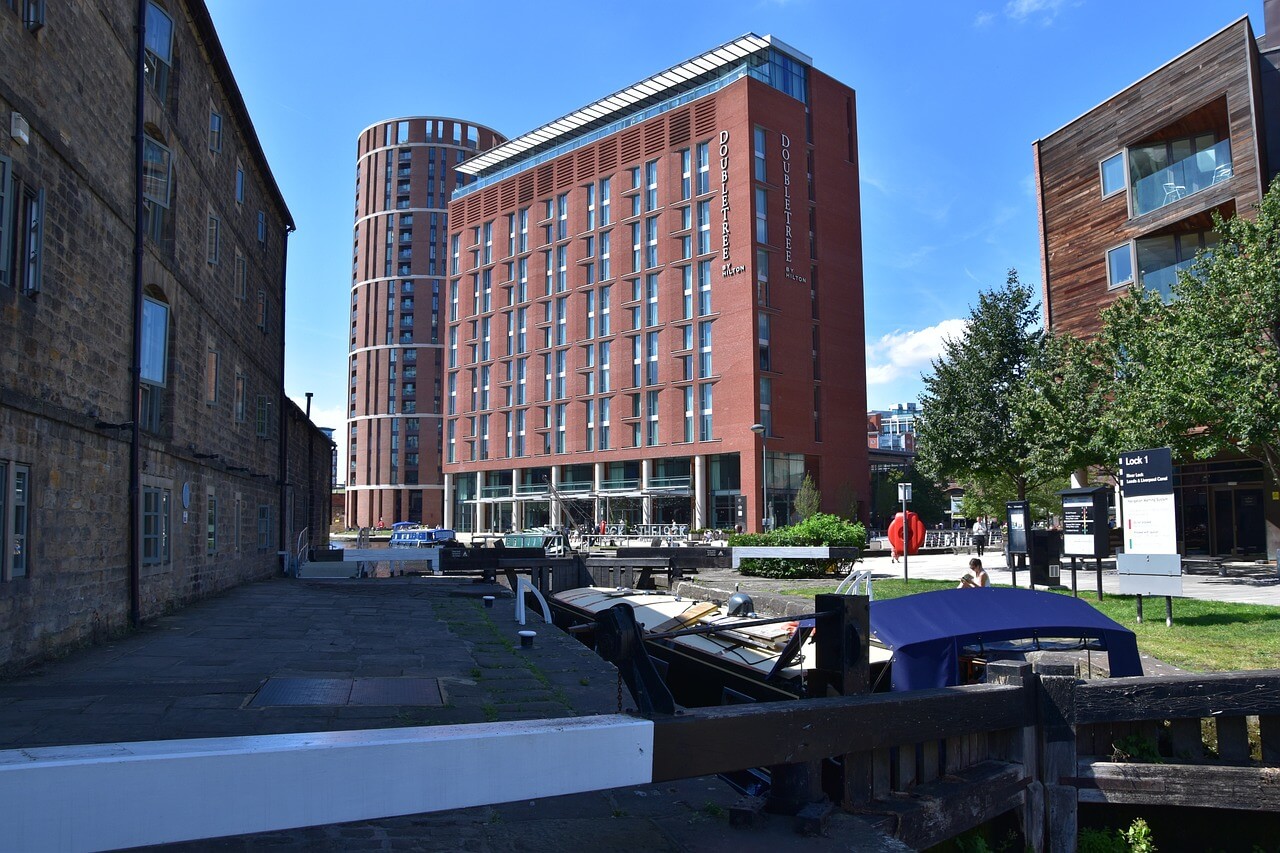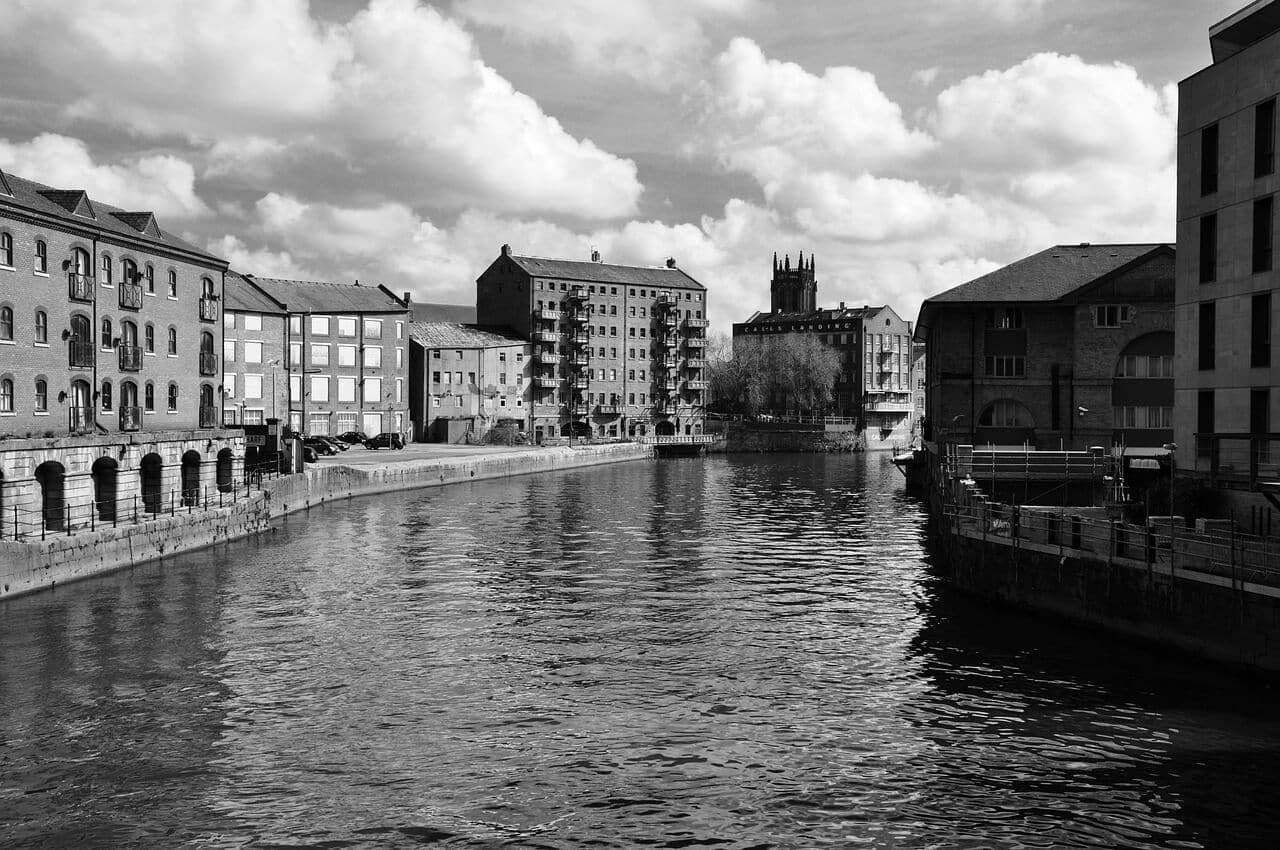
Leeds continues to demonstrate how regeneration and community need can go hand in hand, with a new affordable housing development (in Armley) transforming a disused former factory site into much needed homes.
For a city that balances strong economic growth with increasing housing demand, schemes like this represent more than just construction projects. They are a signal of intent, prioritising people, place and long term sustainability.
From industrial past to residential future
Across Leeds, former industrial sites are being reimagined as vibrant residential communities. This latest scheme follows that same trajectory, taking a redundant factory space and unlocking its potential for modern living.
Brownfield regeneration of this kind is vital. It reduces pressure on greenbelt land while making better use of existing infrastructure, transport links and established neighbourhoods. For buyers and renters alike, this often means homes in well connected areas with real character and history.
This is particularly relevant in East Leeds, including areas such as the one we’re based in (Harehills), where there is a growing focus on regeneration and investment. Developments like this one in Armley can play a key role in reshaping perceptions and creating opportunities for both buyers and investors.
Addressing the affordability challenge
One of the most important aspects of this scheme is its focus on affordability. Like many UK cities, Leeds faces a growing gap between house prices and average incomes. Developments that include affordable housing options are essential in ensuring the city remains accessible to a broad range of residents.
Affordable homes not only support individuals and families, they also underpin the wider economy. Key workers, local employees and young professionals all rely on housing that is realistically within reach.
For landlords and investors, this shift also reflects a broader trend. Demand is strongest where housing is both well located and reasonably priced, something increasingly seen across East Leeds.
Regeneration that benefits communities
Beyond the homes themselves, developments like this often bring wider benefits.
- Improved streetscapes and public spaces
- Increased footfall supporting local businesses
- Enhanced safety and vitality in previously underused areas
- Long term uplift in surrounding property values
For sellers in nearby streets, regeneration can have a positive impact on demand and pricing. In areas such as Harehills and the wider East Leeds corridor, this can present real opportunities for homeowners considering a sale.
What this means for the Leeds property market
Leeds has firmly established itself as one of the UK’s most active regional property markets. With ongoing investment, a strong rental sector and continued population growth, demand for quality housing remains high.
Schemes that convert redundant sites into affordable homes are a key part of that ecosystem. They help maintain supply, diversify housing options and keep the market moving.
At Hogan’s Leeds, we are seeing increasing interest in regenerated areas, particularly across East Leeds, where affordability and growth potential are aligning.
Thinking of buying, selling or investing in Leeds?
Whether you are looking to move, invest or simply understand how developments like this affect your property’s value, our team is here to help.
Get in touch with Hogan’s Leeds today for expert, local advice tailored to you.